
Exploring
chemical
evolution of the Universe.
Scroll Down
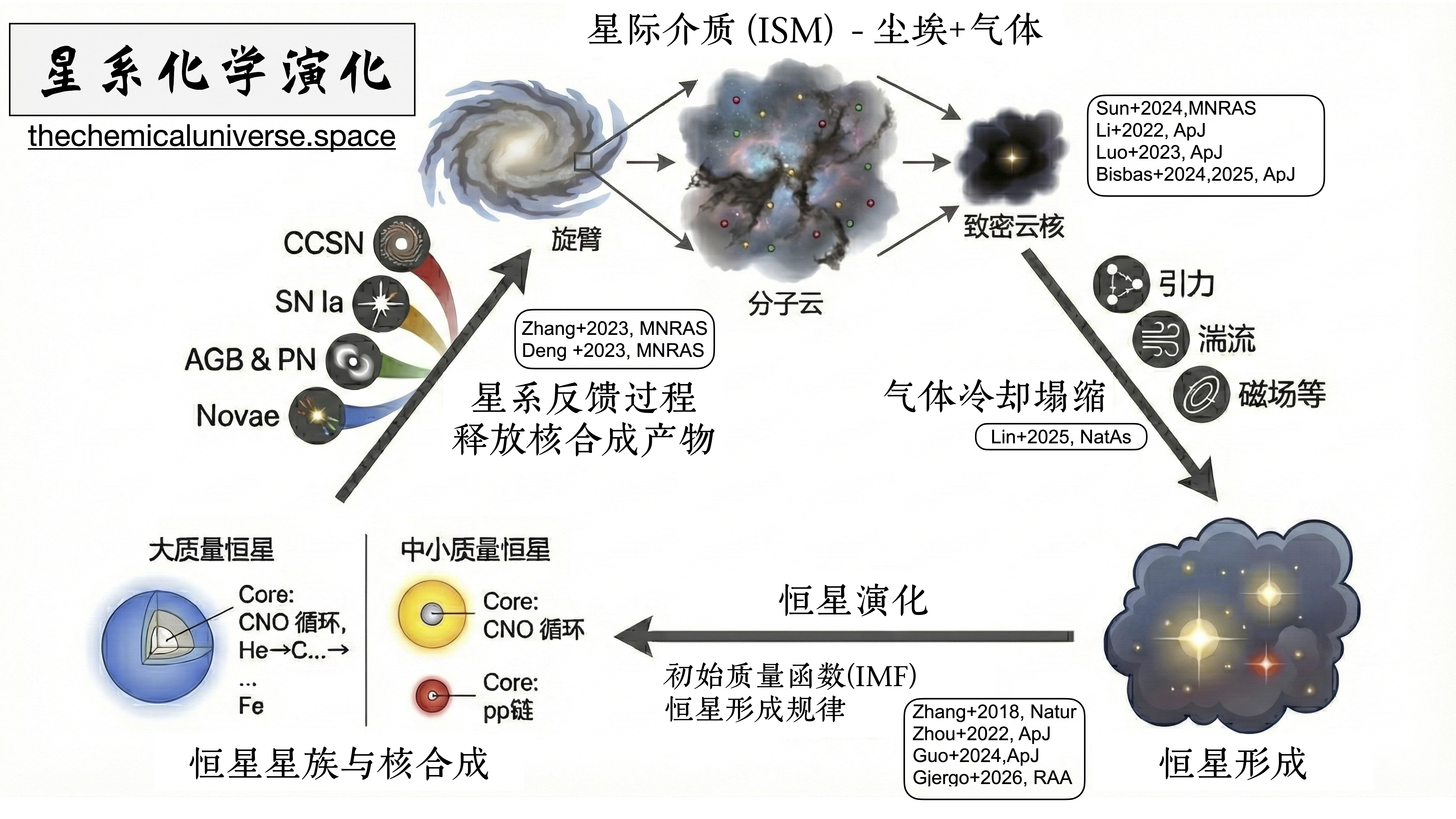
Hello, Welcome to The Chemical Universe & Beyond.
Our group is working on multiple perspective of the chemical evolution of the Universe, including Galactic Chemical Evolution (GCE), Interstellar Medium (ISM), Astrochemistry, Star Formation, Strong Gravitational Lensing, and stellar Initial Mass Function (IMF), etc. The group is led by Prof. Zhi-Yu Zhang at the School of Astronomy and Space Science, Nanjing University.
Postdocs
Three postdocs.
PhD students
Five Ph.D. students.
M.S. Students
Two M.S. Student.
Past Members
More than ten members, including postdocs and students have graduated from the group.
Research Highlights
Selected recent breakthroughs and ongoing projects from our group.

Virial Parameter in molecular clouds
Revealing the inadequate turbulent support in low-metallicity molecular clouds.
Read Paper →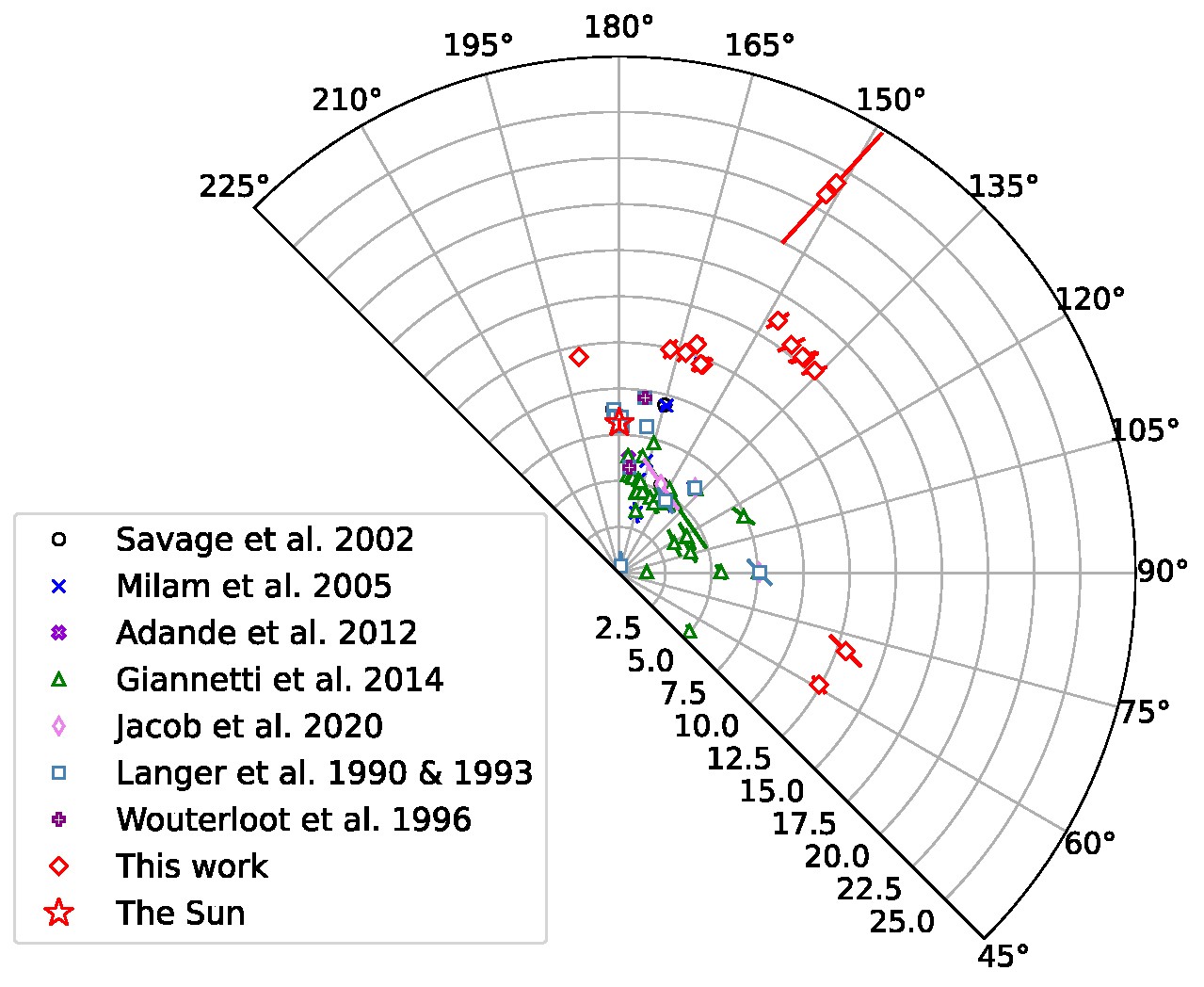
Figured out that the CN-hfs method was not correct. Proposed a new method to measure 12C/13C with CN lines.
Read Paper →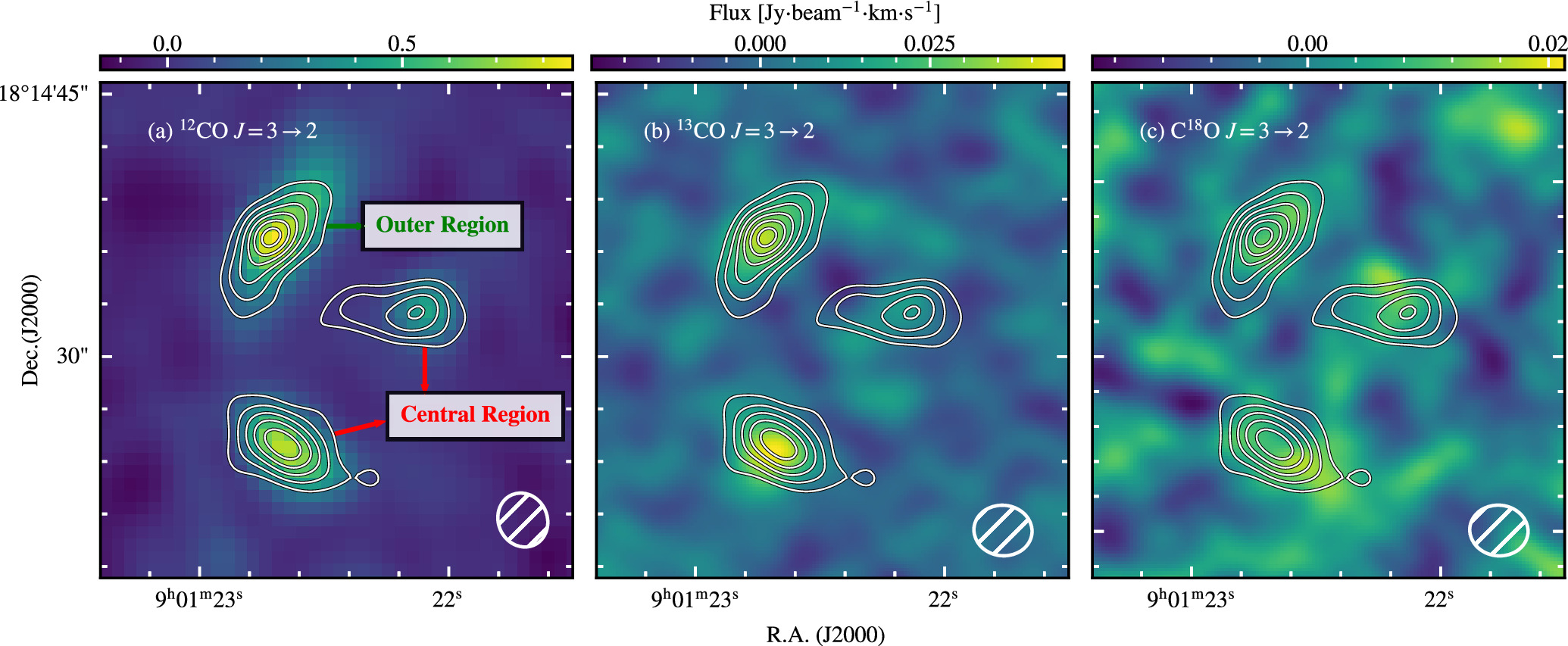
IMF in high-z ms galaxies is top-heavy
With first detection of 13CO and C18O in high-z main-sequence galaxies, we show that the IMF has to be top-heavy in such conditions.
Read Paper →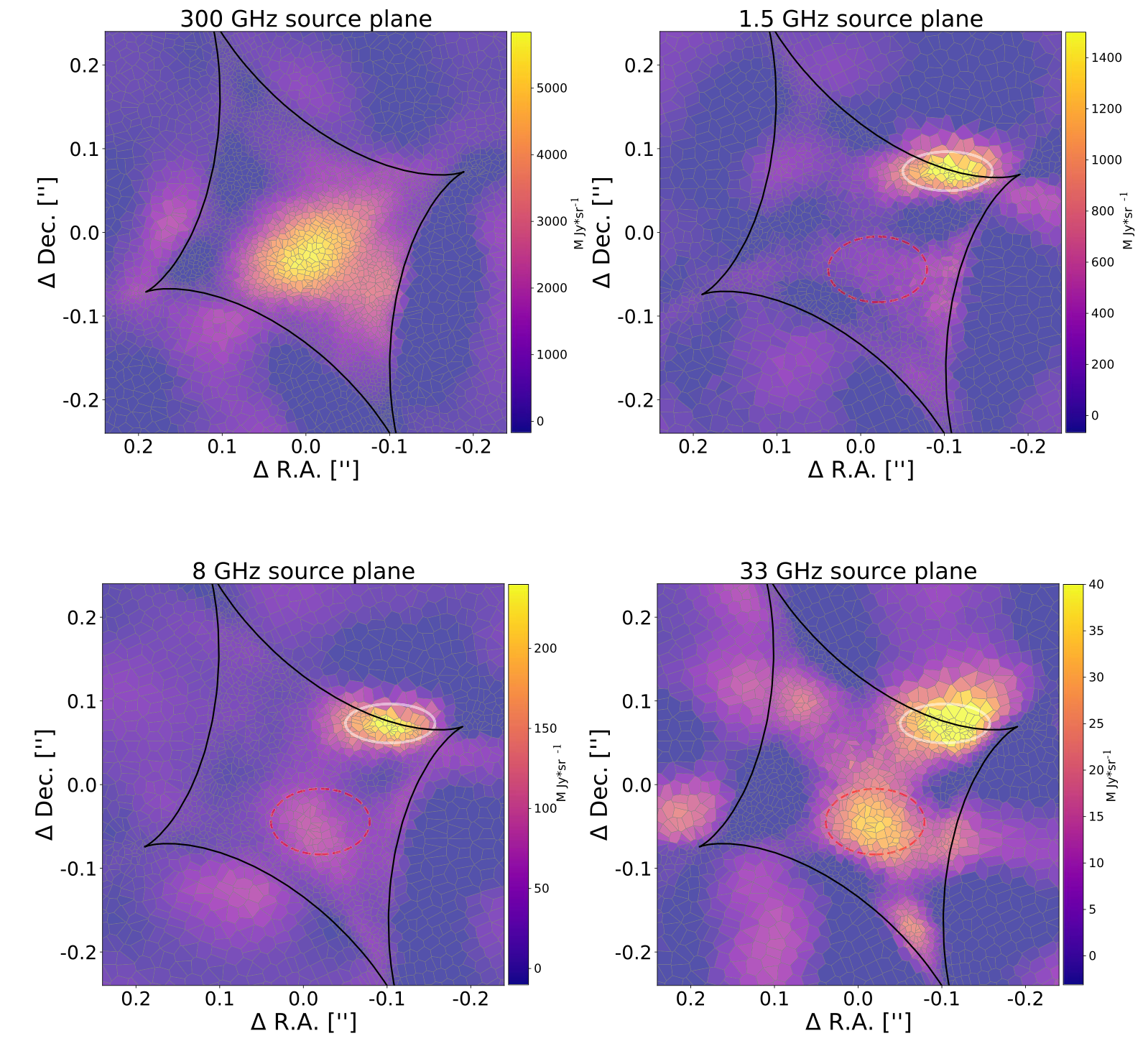
Radio jet in Cloverleaf
Discovery of a radio jet in a strongly lensed quasar, Cloverleaf.
Read Paper →What We Do
We are interested in
these directions:
Galactic Chemical Evolution
How chemical elements are produced and distributed in galaxies over cosmic time? By combining observations with numerical models (such as GalCEM), we trace the enrichment history of elements (ink. isotopes), revealing the life cycle of matter from the Big Bang to the present day.
Multi-phase Interstellar Medium
Interstellar Medium (ISM) consists of gas, dust, cosmic rays, B-fields etc. It provides fundamental environments to drive star formation and mixing of elements. With multi-wavelength observations (radio, sub-mm, Far-Infrared, UV-optical-NIR), we can measure physical conditions of multi-phase ISM, examining how temperature, density, turbulence, and other mechanisms regulate the conversion of gas into stars.
Astrochemistry
The cold Universe is molecular. With all elements in gas, dust, and ice mental, especially CNO, various of chemical species can be formed. Some of them can not be easily produced from the Earth environments. The questions are, how do they evolve from simple to complex ones (such as C60, PAH), what are those unknown species?
Star Formation
Star formation and evolution drives Byronic cycle over cosmic time. However, the principle to form stars from gas is still poorly know. How to define dense gas, gravitationally-bound gas, and feedbacks changes their parental gas properties?
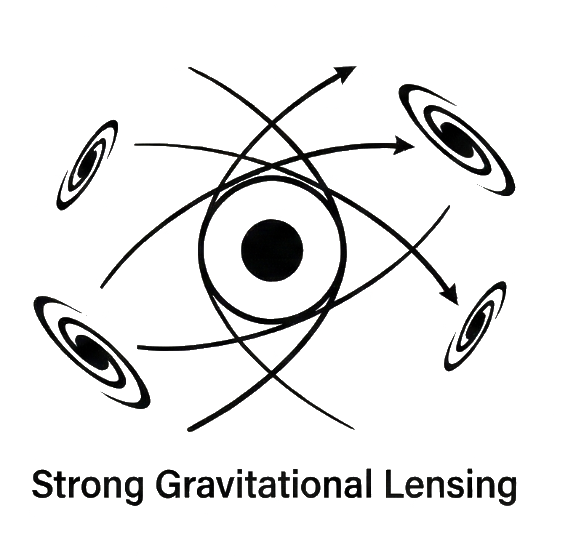
Strong Gravitational lensing
Strong gravitational lensing provides amplification of flux and angular scales, thus offering a powerful tool in studying physical properties of background galaxies. This provides big opportunities to achieve very high resolutions.
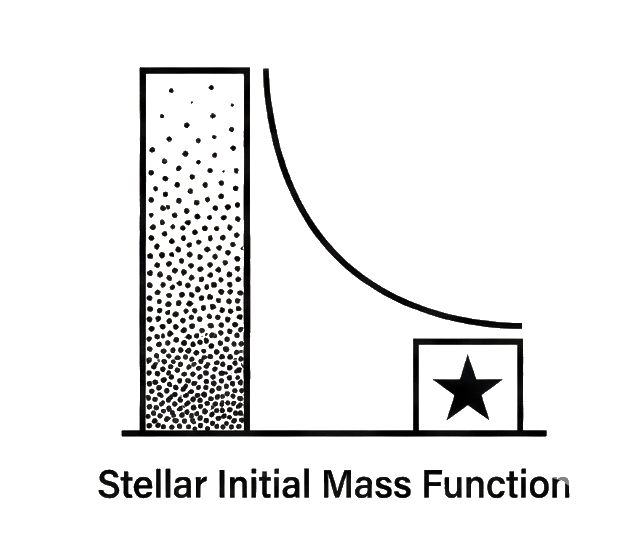
Stellar Initial Mass Function
Stellar Initial mass function describes the mass distribution of a stellar population when it was born, as a fundamental concept in modern astrophysics. Whether the IMF is universal for all galactic environments is under debate.
Who We Are

Zhi-Yu Zhang
Zhang Zhiyu joined the faculty of Nanjing University Since 2019.
Publications in NASA/ADS
Eda Gjergo
Eda Gjergo joined the astronomy group in Nanjing University as a postdoc in September 2022. She is the developer of GalCEM, a Python package that integrates the evolution of isotopic and elemental abundances in galaxies. Over the course of her Ph.D. in Trieste, she lead the development of a dust evolution code within zoom-in cosmological simulations of galaxy clusters. She previously worked on the photometric identification of Type Ia supernovae for the Dark Energy Survey (DES) at Argonne National Laboratory (ANL), and she conducted analyses on filter transmission for the Large Synoptic Survey Telescope (LSST).

Zhiqiang Yan
Postdoc working on Modelling of the galactic stellar content (stellar population synthesis, SPS) with various star formation histories (SFHs) and the associated chemical abundance evolution of dwarf and giant elliptical galaxies (i.e. galaxy chemical evolution model, GCE).

Fei Li
Postdoc working on dense gas properties in galaxies, using molecular lines of HCN, HCO+ and their isotopologues.

Zi-Yi Guo
Ph.D. candidate working on Galactic Chemical Evolution and the variation of the Initial Mass Function in gas-rich galaxies.

Lei Zhang
Ph.D. candidate working on gravitational lensing models. He works on radio jet, AGN quenching of star formation, and tidal tails.
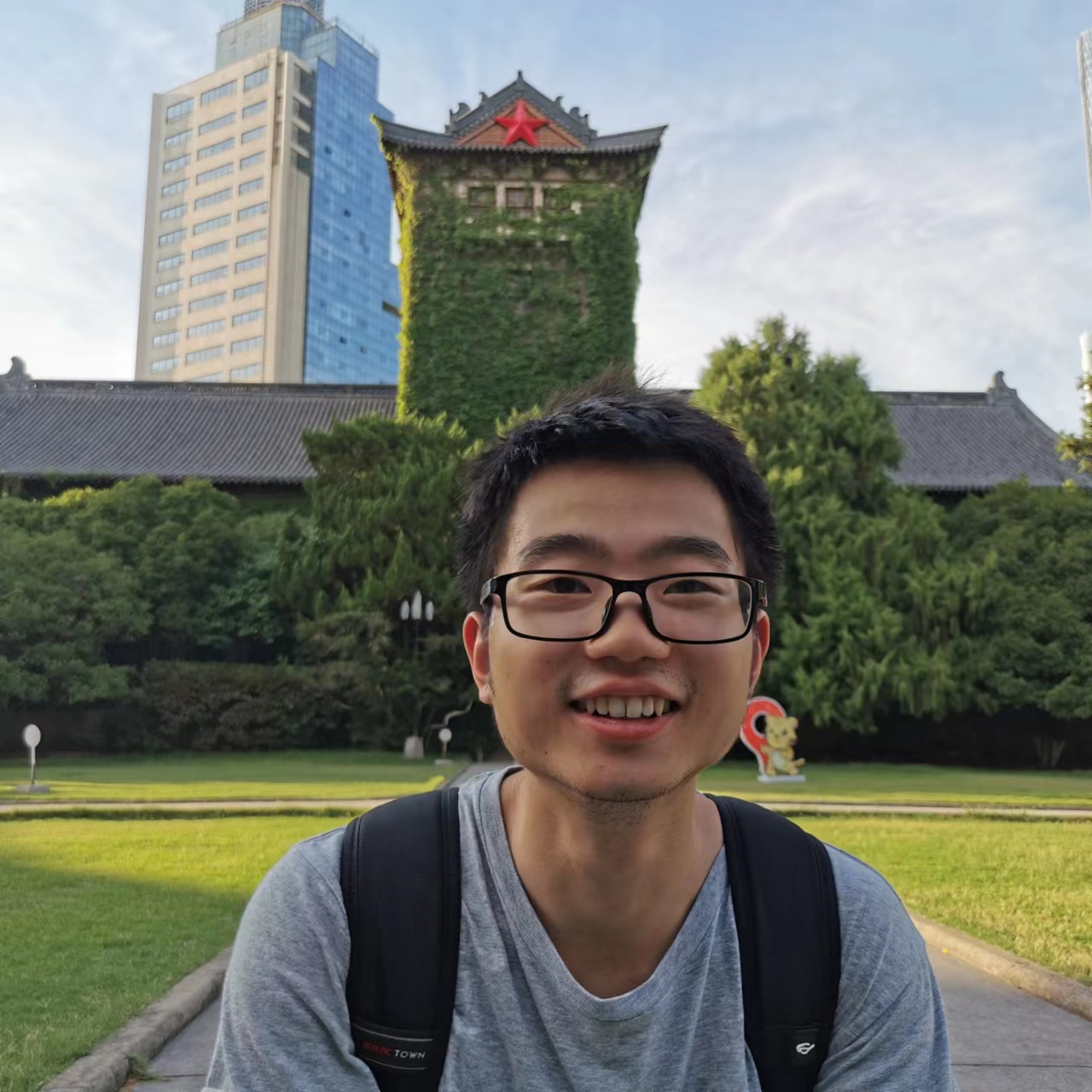
Yichen Sun
Ph.D. candidate working on Astrochemistry, including measurements of CNO isotopic abundance ratios and gradients of the Milky Way, alpha-enhanced astrochemical modelling, and anomaly non-LTE excitation of CN molecules.
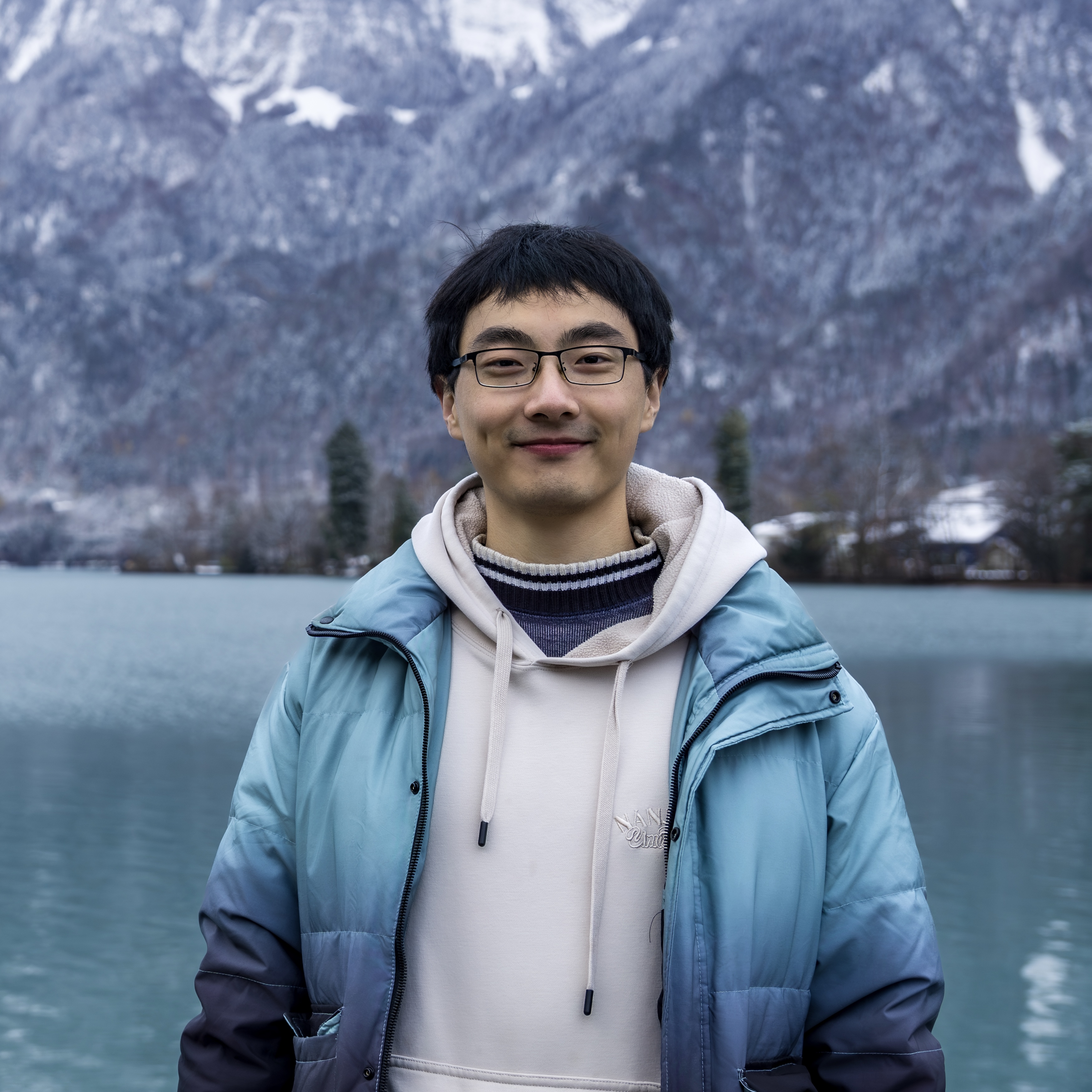
Lingrui Lin
Ph.D. candidate working on dynamics, both for molecular clouds in the Milky Way and nearby galaxies and for galaxies in the early Universe.
Haoyang Li
Master student working on star formation feedback in nearby starburst galaxies.
Luoteng Cai
Master student working on dust and gas properties in supernova remnants.

Jing Zhou
Past Ph.D. student working on dense gas excitation, high-velocity clouds, and star formation. Jing graduated in 2025 and moved to Space Engineering University.