
01
Origins

Nanjing University · Astronomy & Space Science
We connect molecules, stars, and galaxies to understand how matter evolves across cosmic time.
Why the Chemical Universe
We trace how elements are formed, how they become molecules, how gas becomes stars, and how these processes shape galaxies across cosmic time.
Our group combines radio and submillimetre observations, gravitational lensing, astrochemical modelling, and numerical simulations.
Our official NJU group page ↗Research
Rather than treating our topics as separate islands, we organize them around three connected scientific stories.
Origins
Transformation
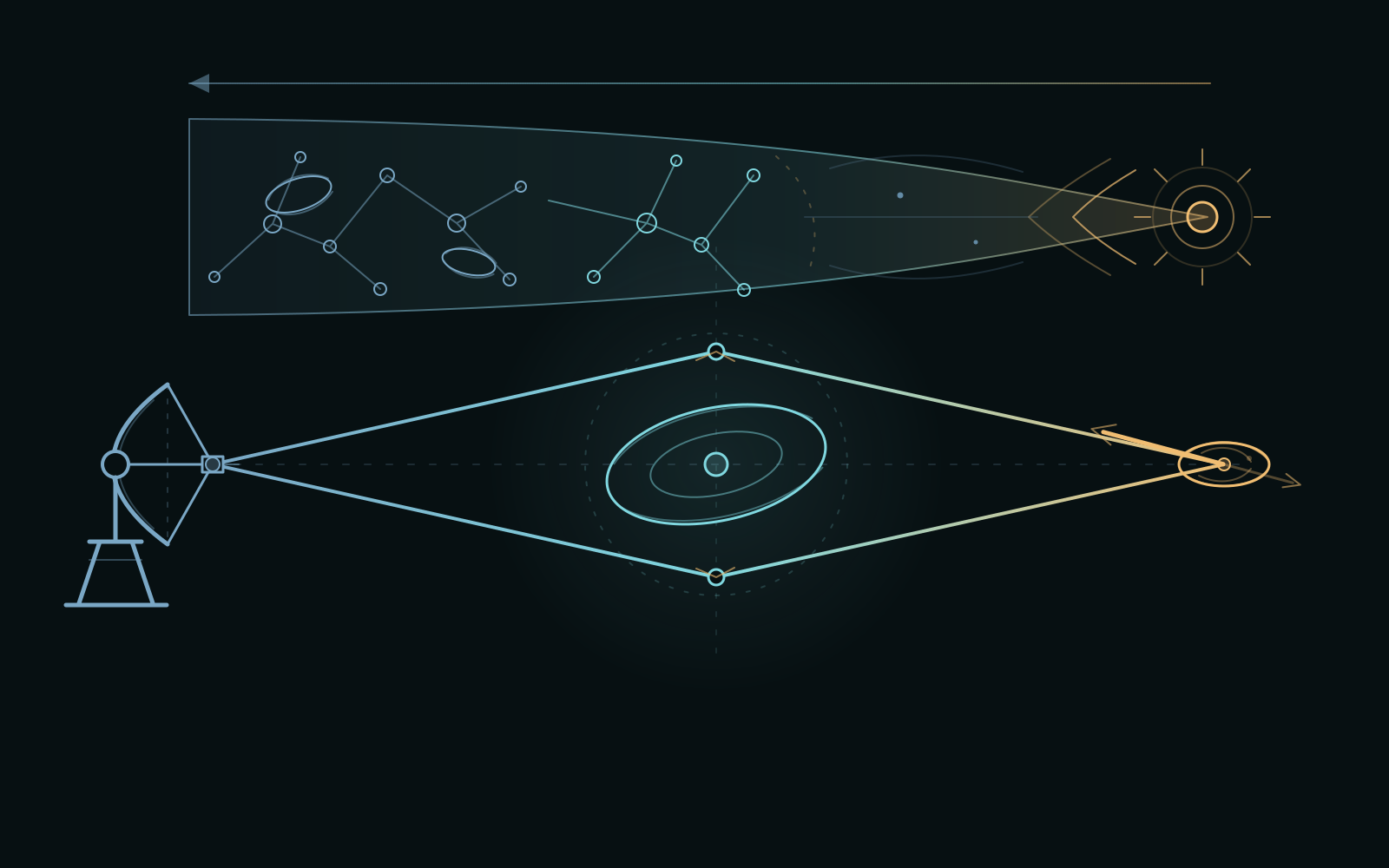
Cosmic time
Observations & methods
We combine observations across radio, submillimetre, infrared, and optical wavelengths with physical and chemical modelling.
Interferometers
Single-dish radio & submillimetre
Optical & infrared
Analysis
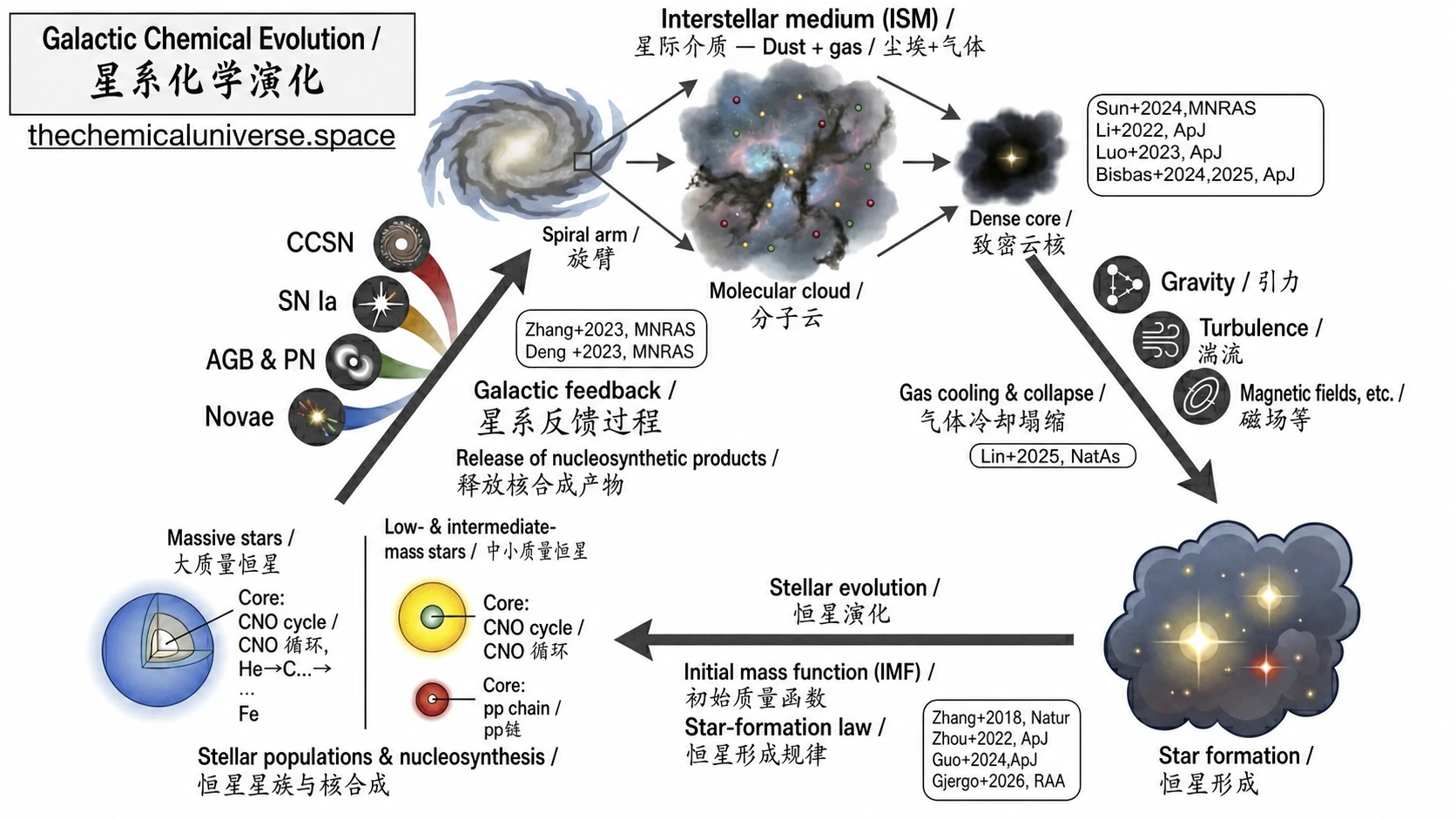
Research map
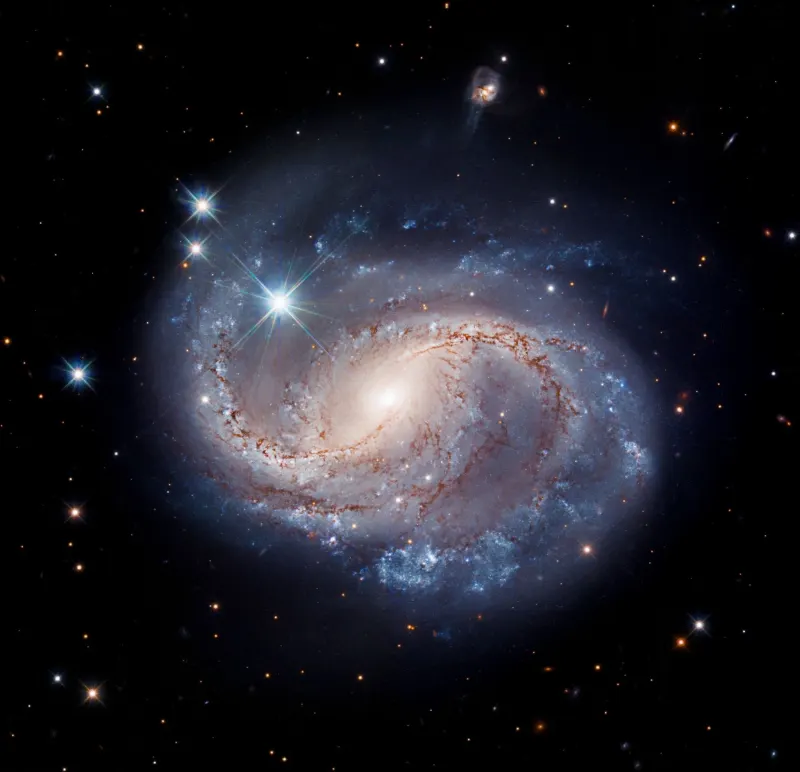
This map connects stellar nucleosynthesis, the interstellar medium, molecules, gravitational collapse, and new generations of stars.
Selected discoveries
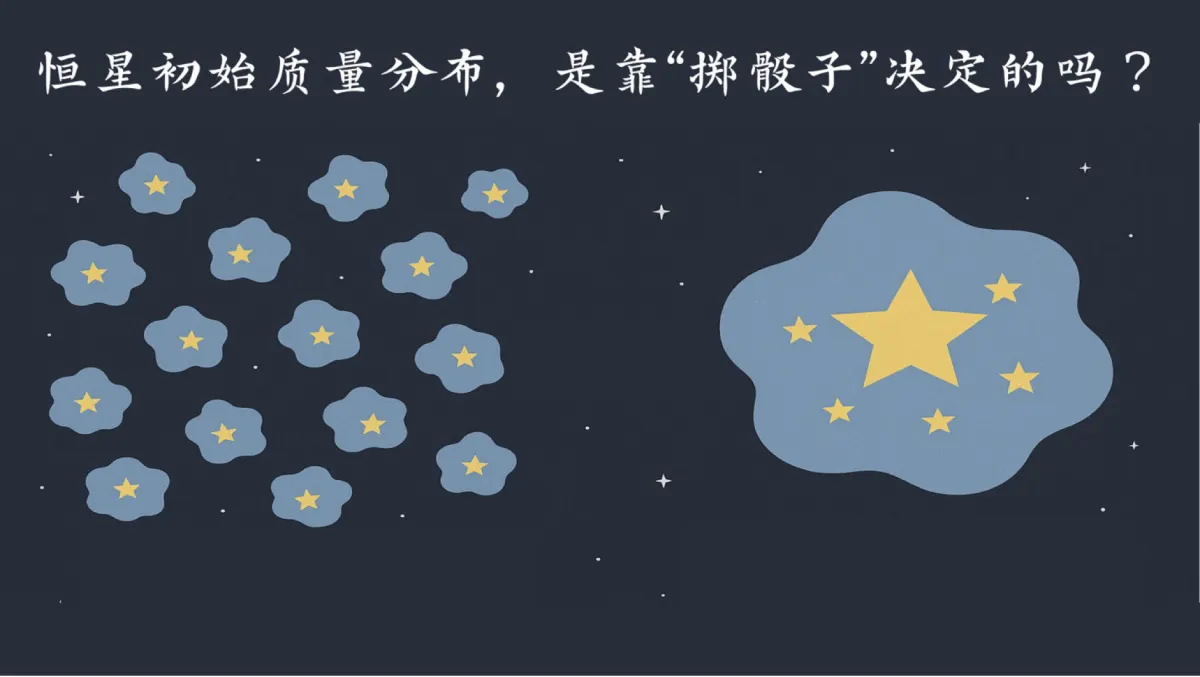
A maximum-entropy view of how boundary conditions shape the stellar initial mass function.
↗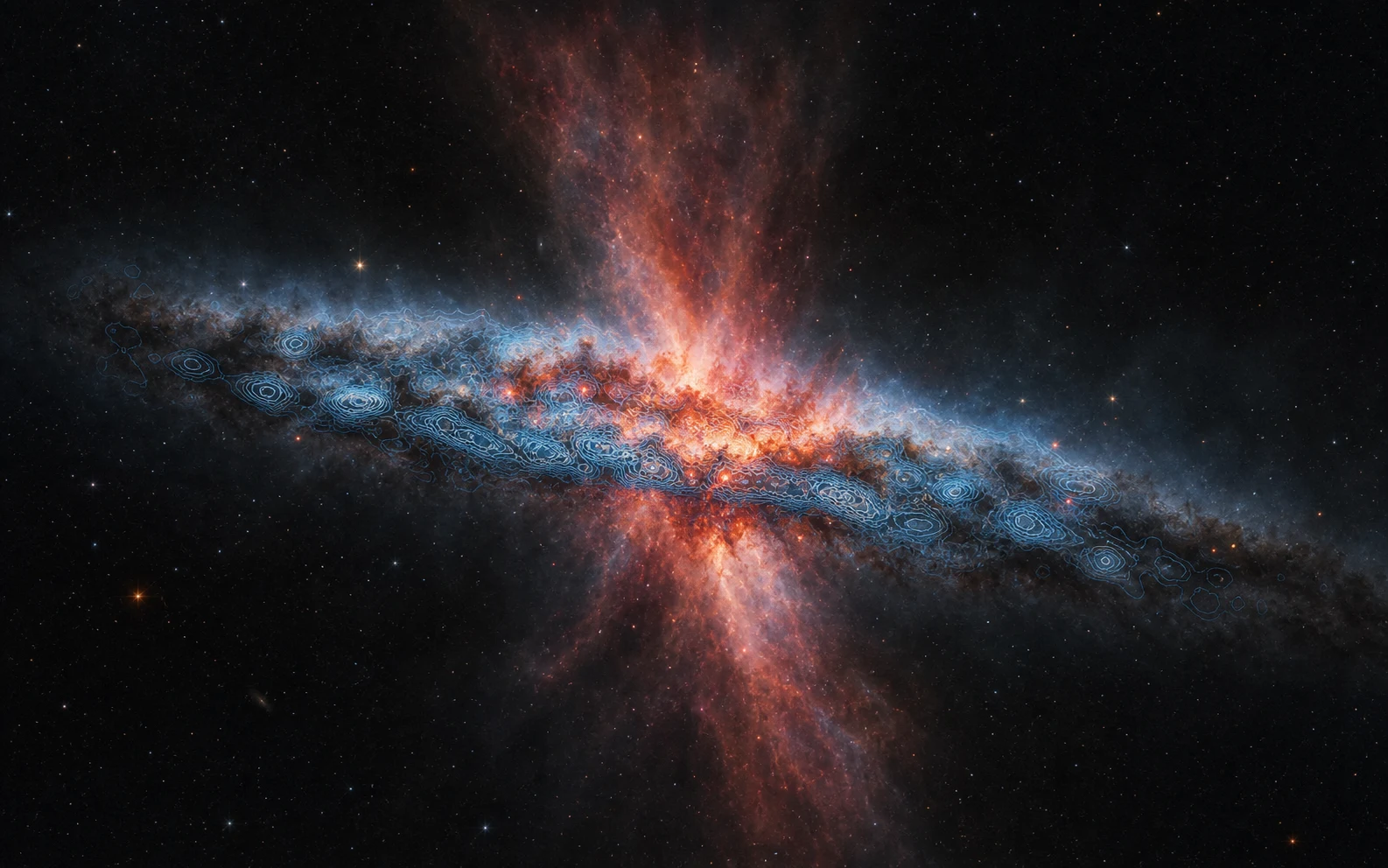
Mapping the dense molecular component that fuels star formation across the nearby starburst galaxy.
↗
Revealing how molecular clouds behave when the heavy-element abundance is low.
↗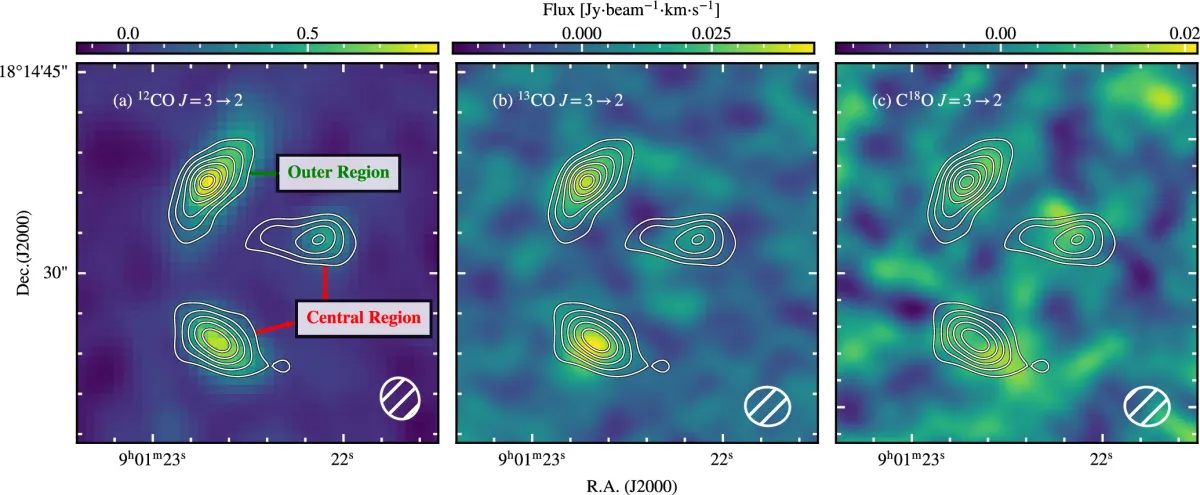
The first detection of CO isotopologues in this galaxy population constrains its stellar IMF.
↗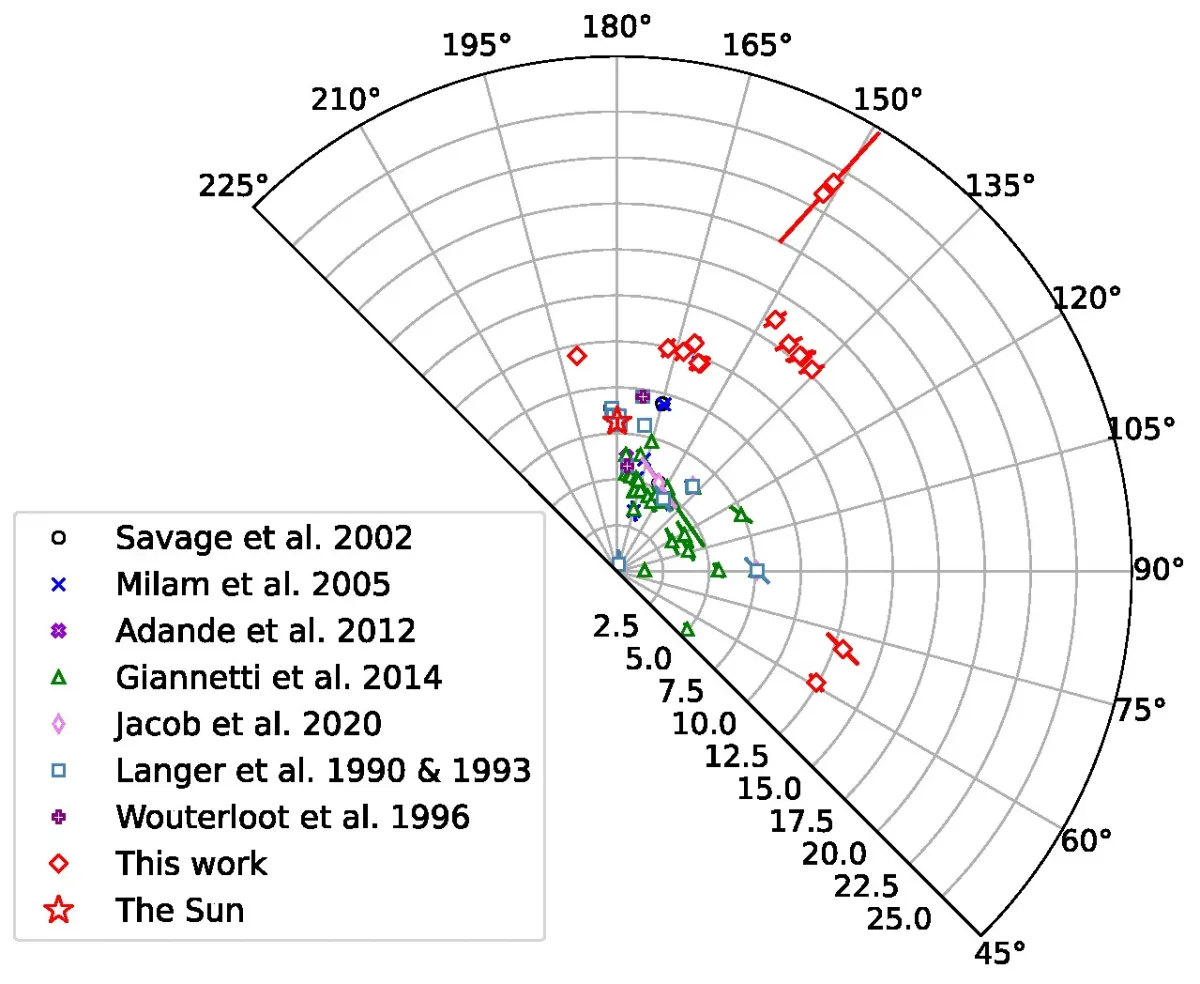
Testing the CN hyperfine-structure method and developing a more reliable approach.
↗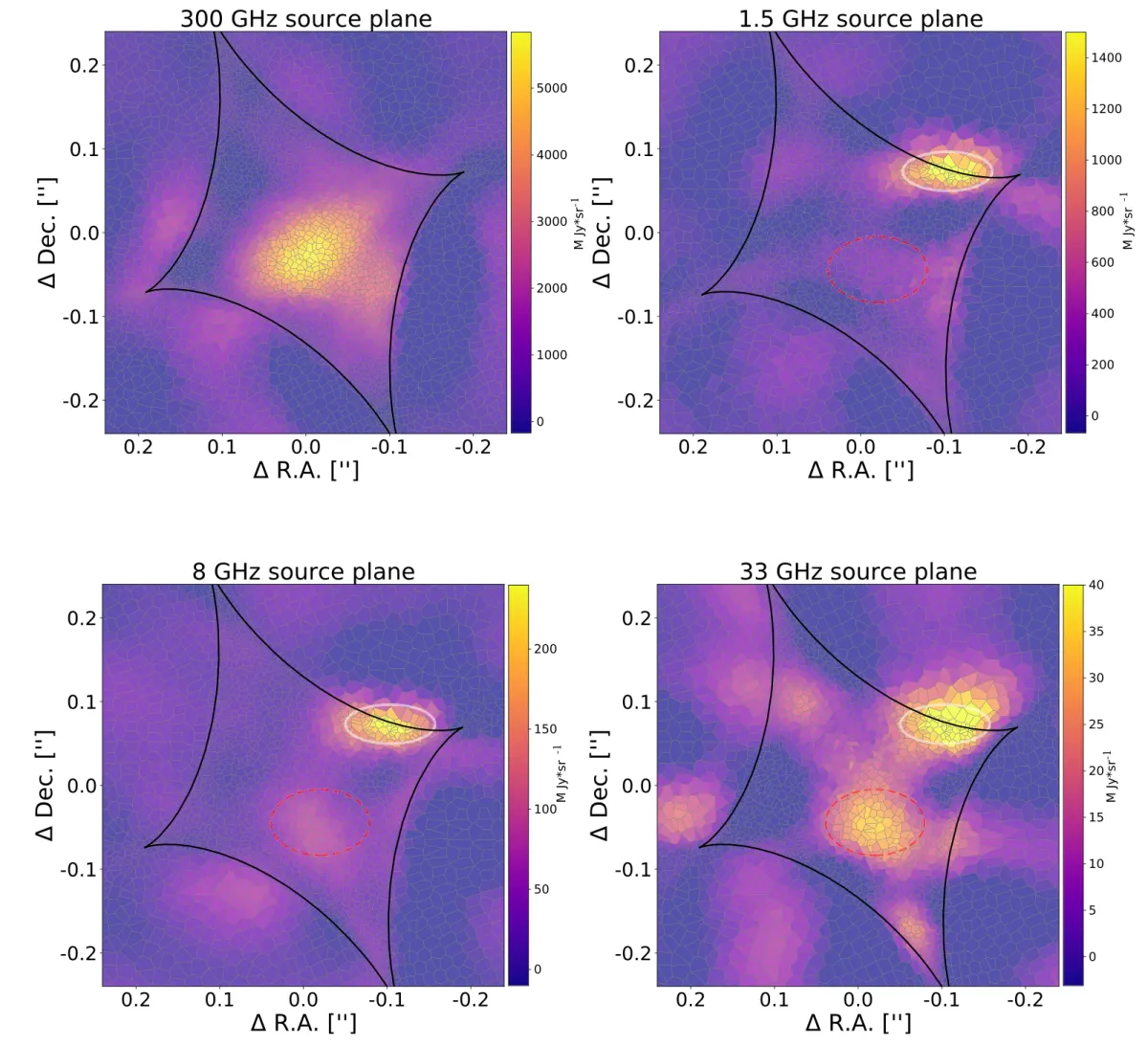
Resolving radio emission from a quasar at redshift 2.56 through gravitational lensing.
↗Group life
Zi-Yi Guo and collaborators find that sodium abundances in main-sequence galaxies are only weakly affected by variations in the high-mass IMF. Accepted by A&A.
Read the paper ↗Haoyang Li completed his M.S. degree.
A maximum-entropy view of the stellar initial mass function, published in RAA.
Read the paper ↗Jing Zhou completed his Ph.D. and later joined Space Engineering University as a lecturer.
Our study of turbulent support in low-metallicity molecular clouds is now published.
Read the paper ↗People
Observers, modellers, and theorists working together at the School of Astronomy and Space Science, Nanjing University.

Principal investigator
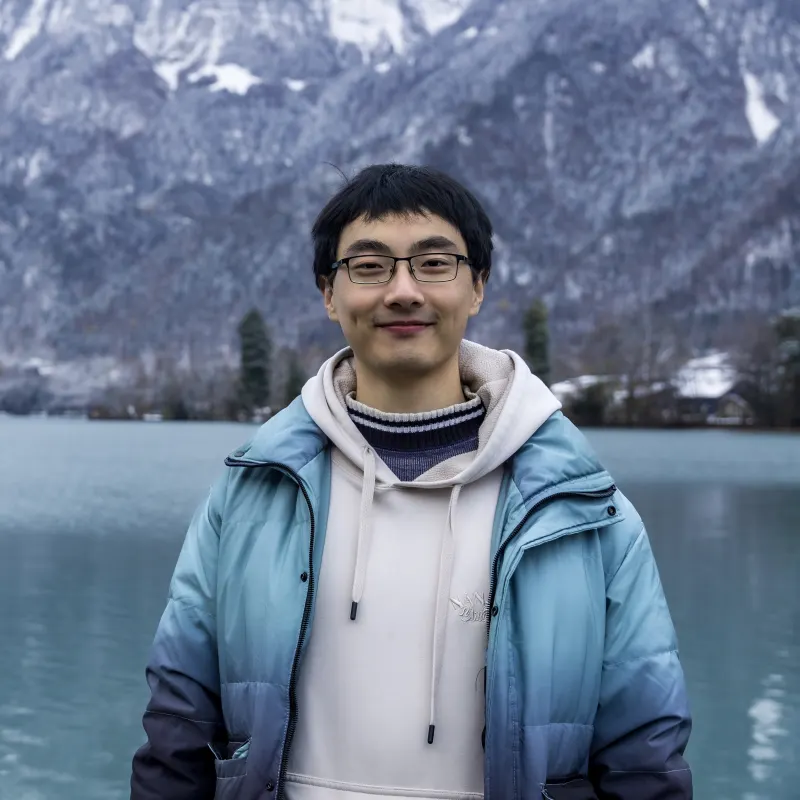
Professor of Astronomy. Research interests include the interstellar medium, astrochemistry, star formation, galactic chemical evolution, and the stellar initial mass function.


M.S. student
Incoming direct-track Ph.D. student
Where they are now
Publications
Join & collaborate
We are interested in hearing from motivated students, postdoctoral researchers, and potential collaborators working across observations, theory, and computation.